

In your words
What you think of our kimchi
★★★★★ straight from our inbox


Fermented in Lutry · always alive!
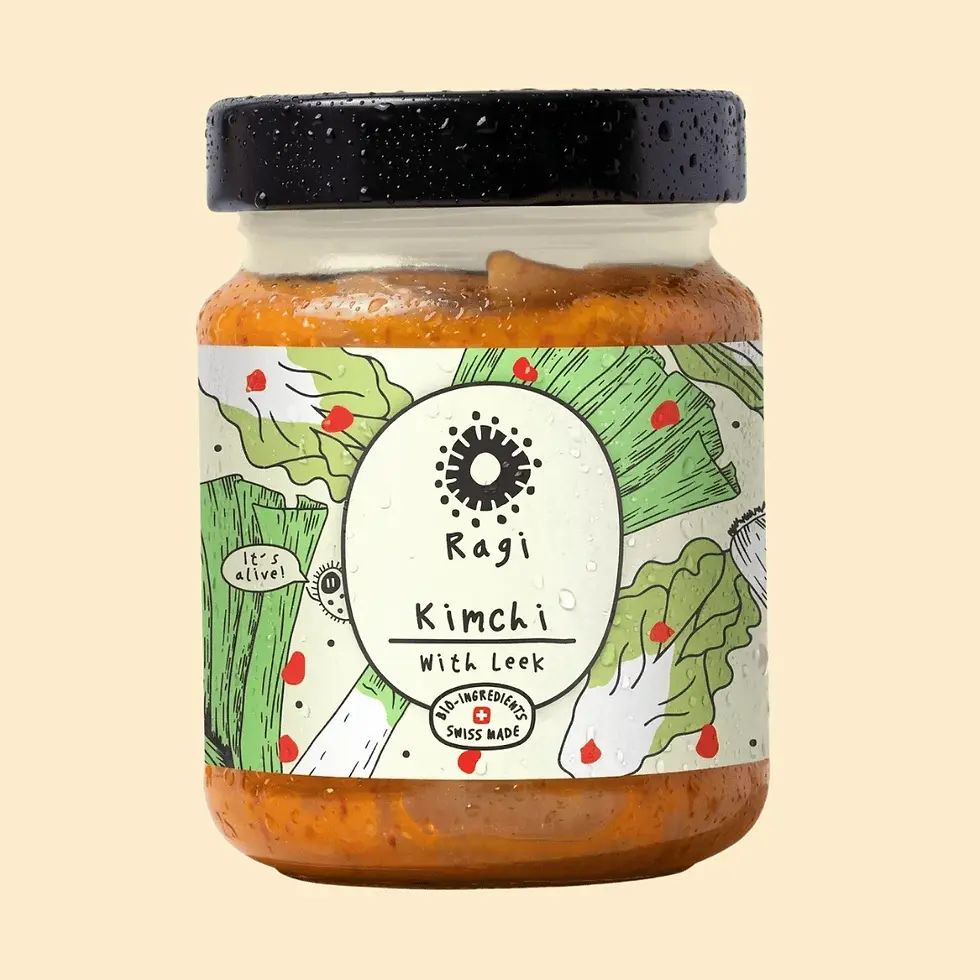
Kimchi
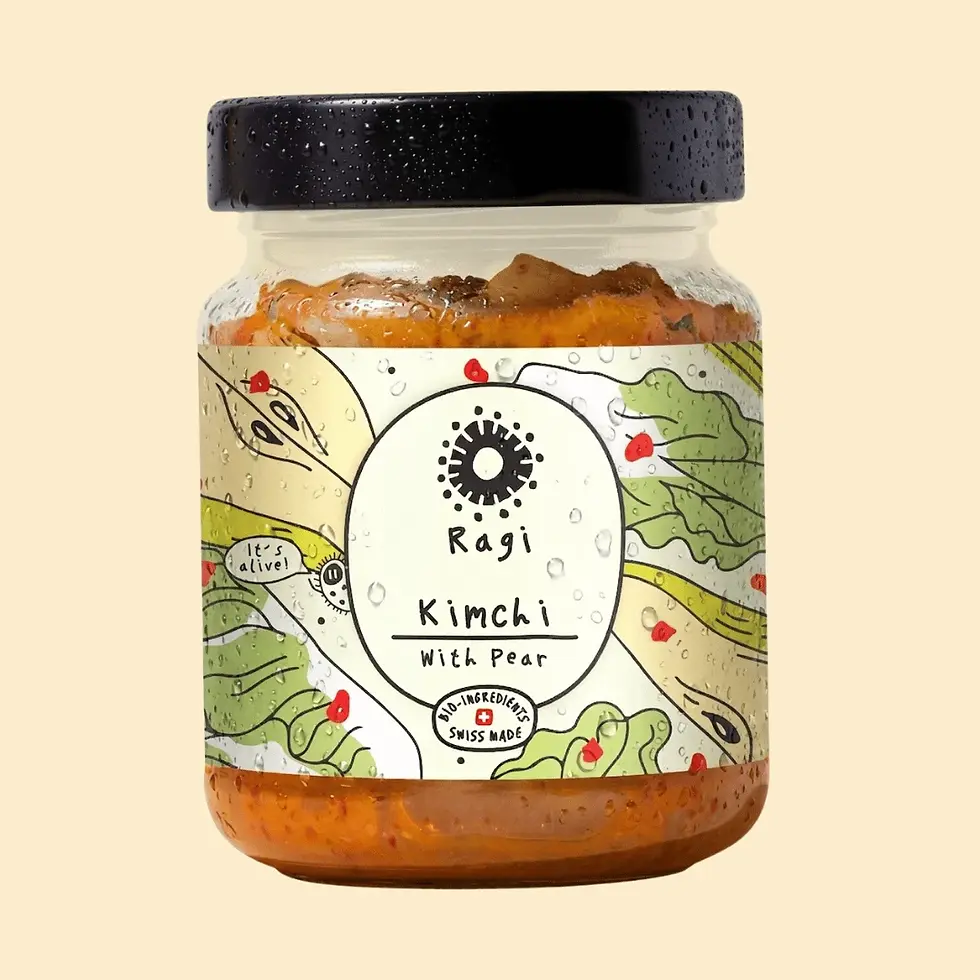
Korean-style lacto-fermented cabbage and vegetables, made fully vegan, no fish sauce, ever. Crunchy, alive, packed with Lactobacillus. Two spicy versions all year long, and three non-spicy seasonal versions that change every 3 months.

batch 3
02.06
500 jars
Year-round
2 recipes
This season
3 flavours
Across the year
16 flavours
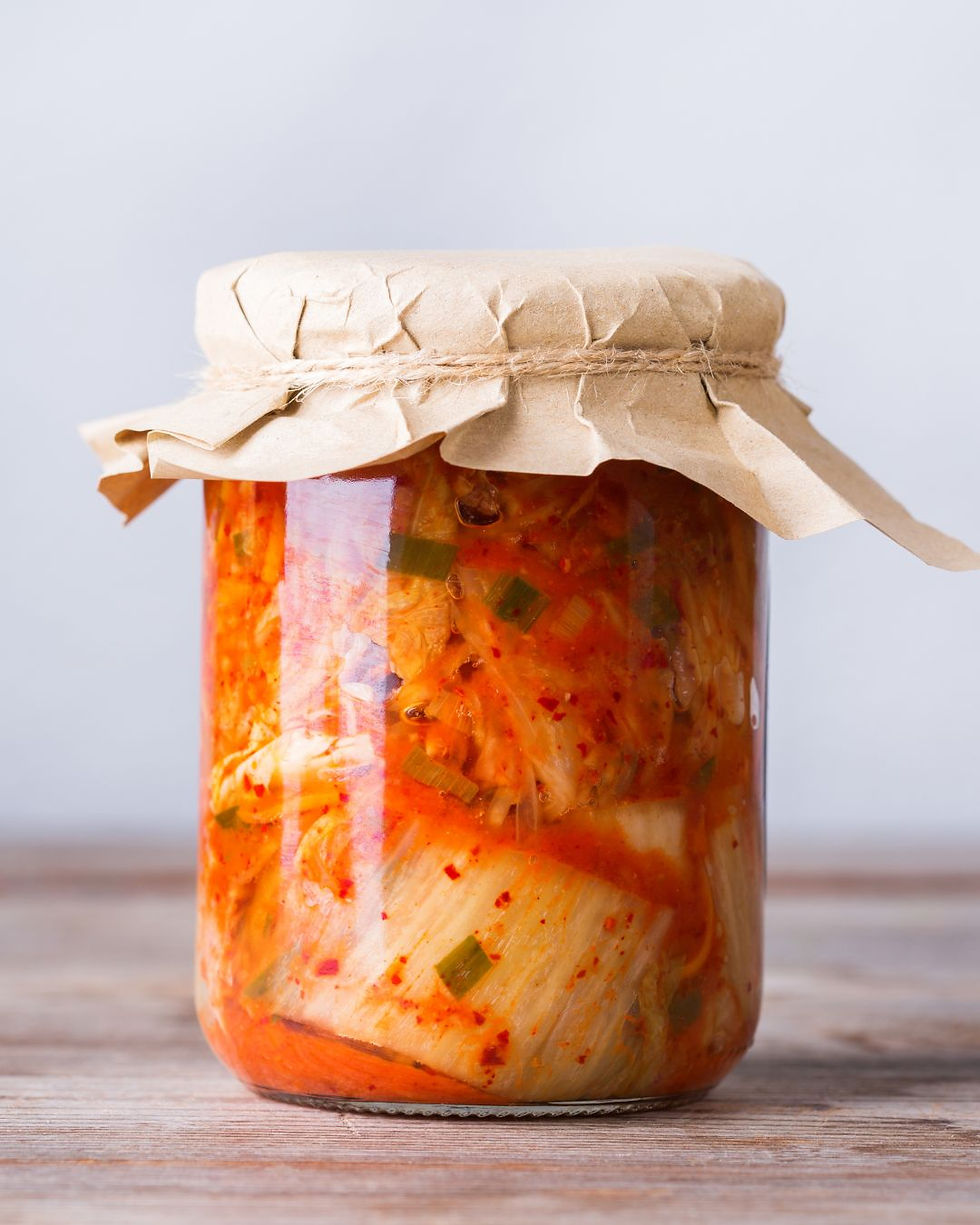
Where it comes from · Korea, 2,000 years ago
From Korea
two millennia ago,
to a Swiss kitchen
Kimchi was born in Korea more than two thousand years ago, a way to preserve vegetables through the winter. The chilli only arrived in the 17th century. Today there are hundreds of regional varieties: cabbage, radish, cucumber and many more.
Our version stays faithful to the method, salting, paste, lacto-fermentation, but it's 100% plant-based and made with organic vegetables grown in Switzerland. We respect the technique; we adapt the basket.
How it tastes. Crunchy and alive, with a clean sour tang from the lacto-fermentation, gentle warmth from the gochugaru, a touch of sweetness from the apple and real depth and complexity from the miso. It wakes up everything it touches, and the longer it ages, the funkier and more complex it gets.
2'000+
years of history in Korea
100%
vegan · no fish sauce
Alive
full of living gut-friendly bacteria
250 g
per jar · organic Swiss vegetables
How it's made · in our kitchen
~15 days, 4 steps,
plenty of patience
crunchy, alive, tangy

01
The salting
We shred and salt the cabbage with salt from the Saline de Bex (VD), and let it sweat for a few hours. The salt draws out water and sets the stage for the good bacteria.
Day 1
02
The paste
We blend the seasoning paste: garlic, ginger, Korean chilli (gochugaru), miso and apple. The apple adds sweetness and also feeds the Ragis (the good bacteria) that run the fermentation. 100% plant-based, no fish sauce, ever.
Day 1

03
Massage & Box
We coat the cabbage and the other vegetables in the paste, Box everything down tight in a big container with weights on top, and let the Ragis do their magic.
Days 1

04
Lacto-fermentation
7 to 15 days at room temperature to get going. The Lactobacillus (our Ragis) turn the vegetables' sugars into lactic acid, that's the sour tang, and it preserves the kimchi naturally. No vinegar. No shortcuts.
Days 2 → 15


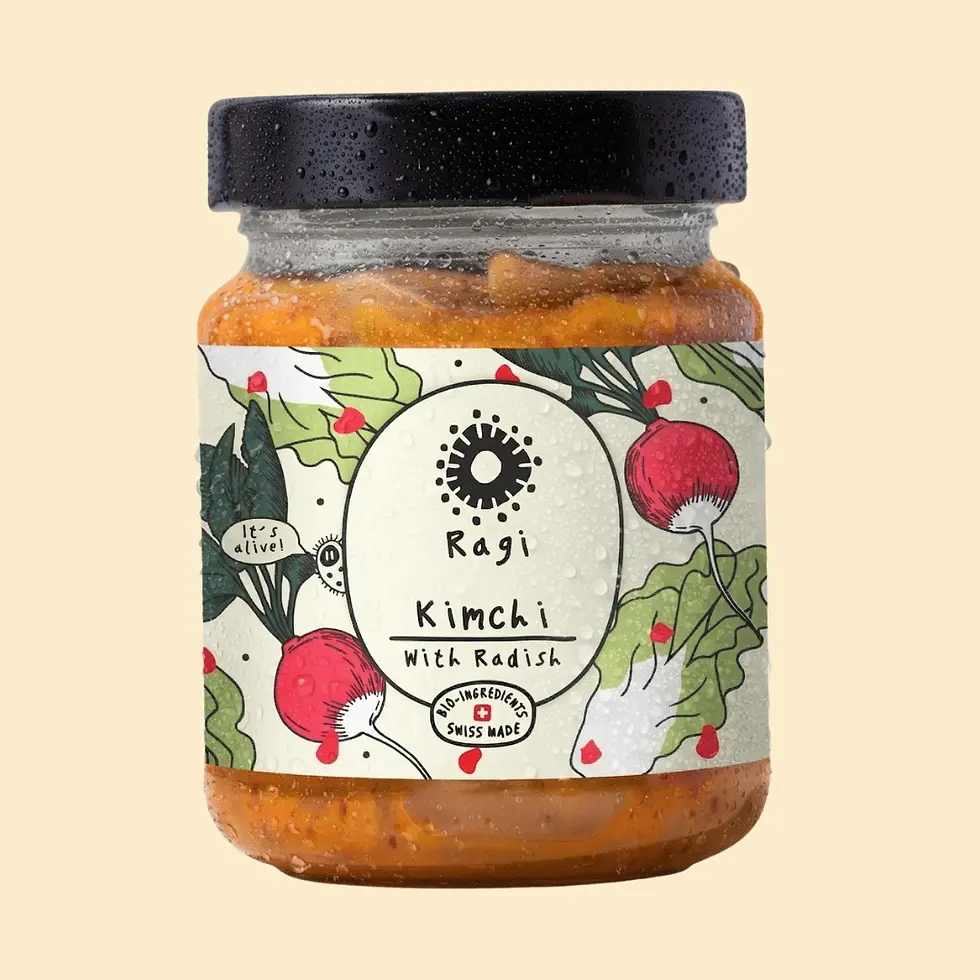


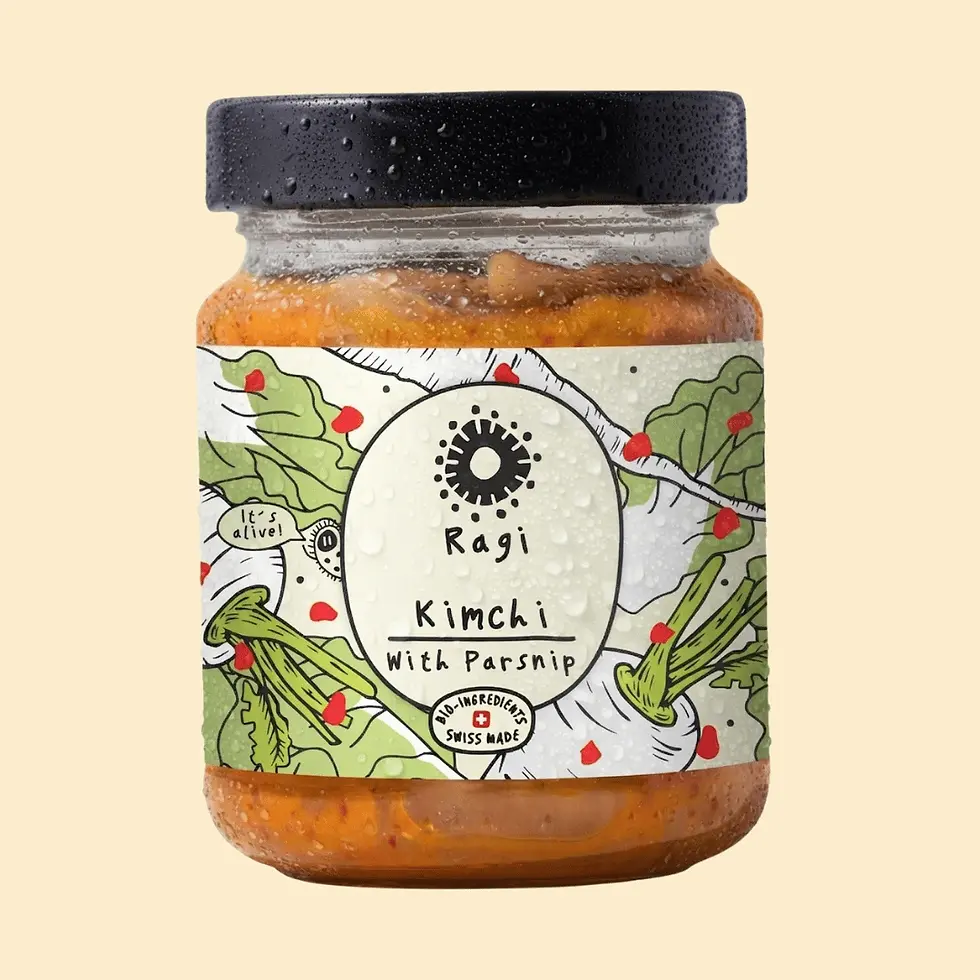
Autumn
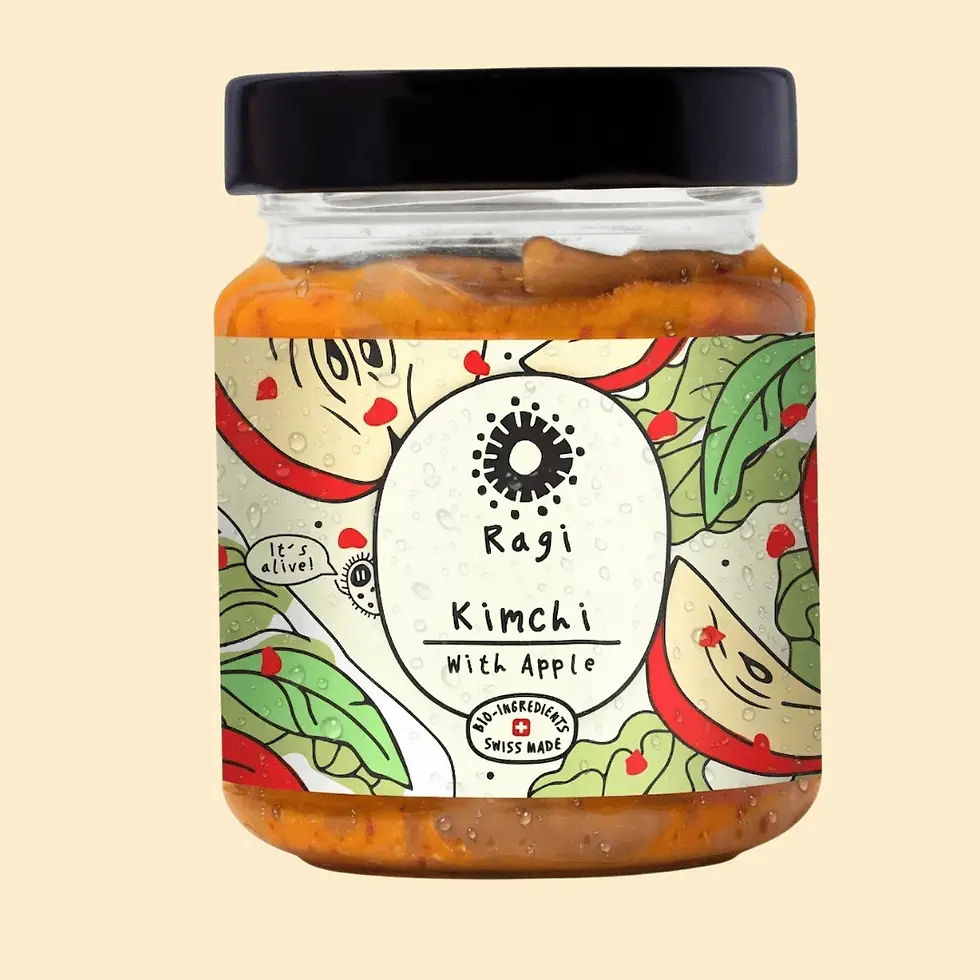
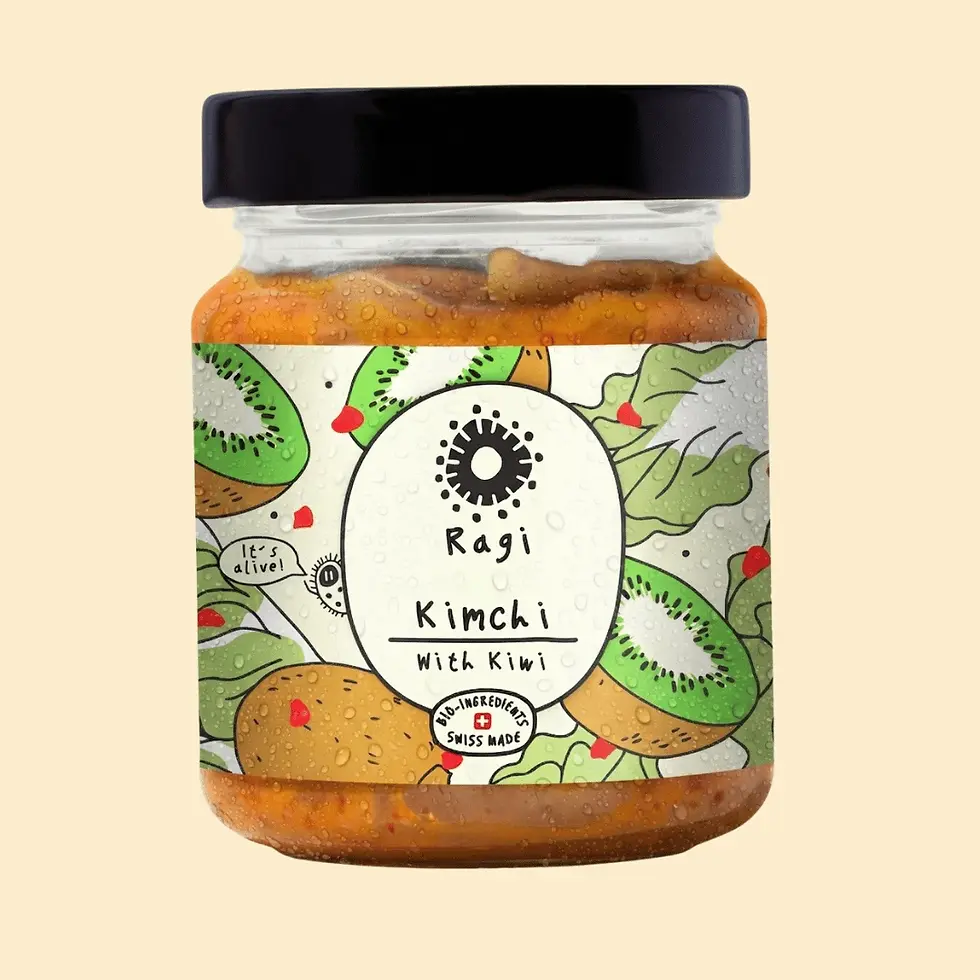
The earthy season, from October to December. Nutty pumpkin-seed, deep beetroot and sweet parsnip: richer, warming kimchis for the shorter days.





How to drink it
Everywhere, just not too hot
Our kimchi is alive: overcook it and you kill the cultures (the flavour stays delicious, though). Raw is where it's most active. Here are our four favourite ways.
🍳
Straight up, on the side
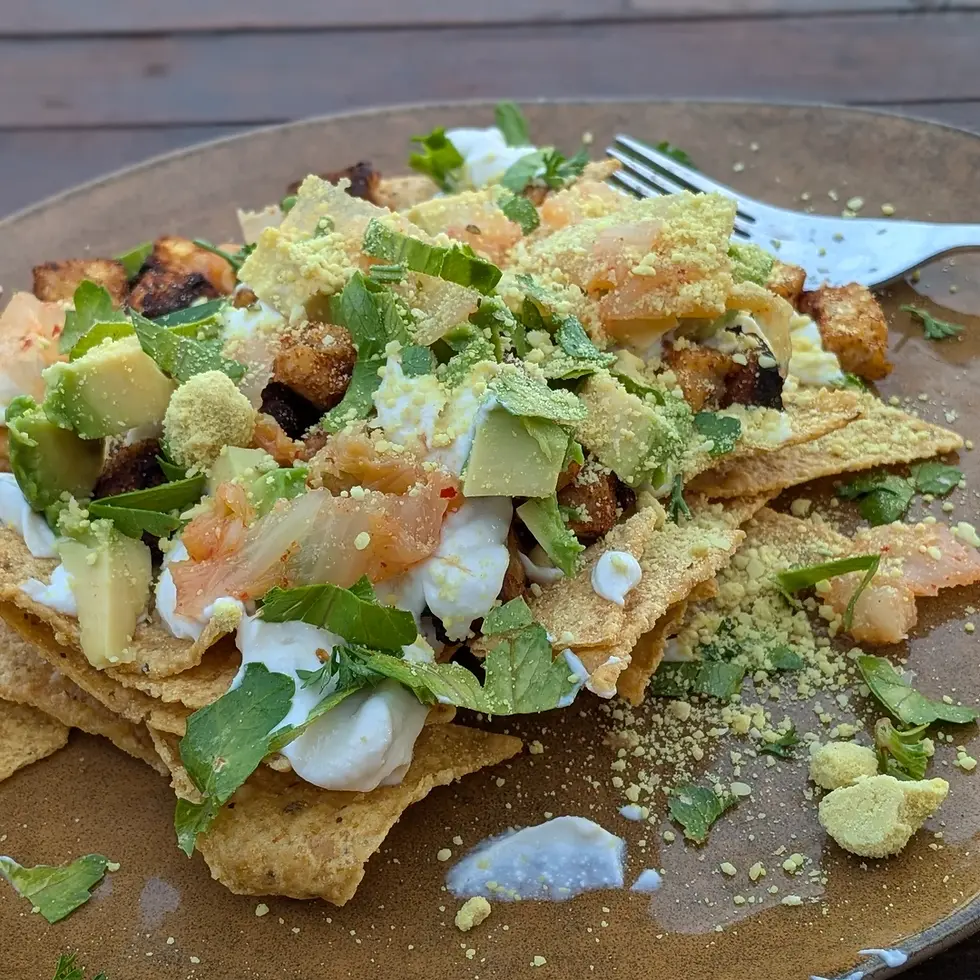
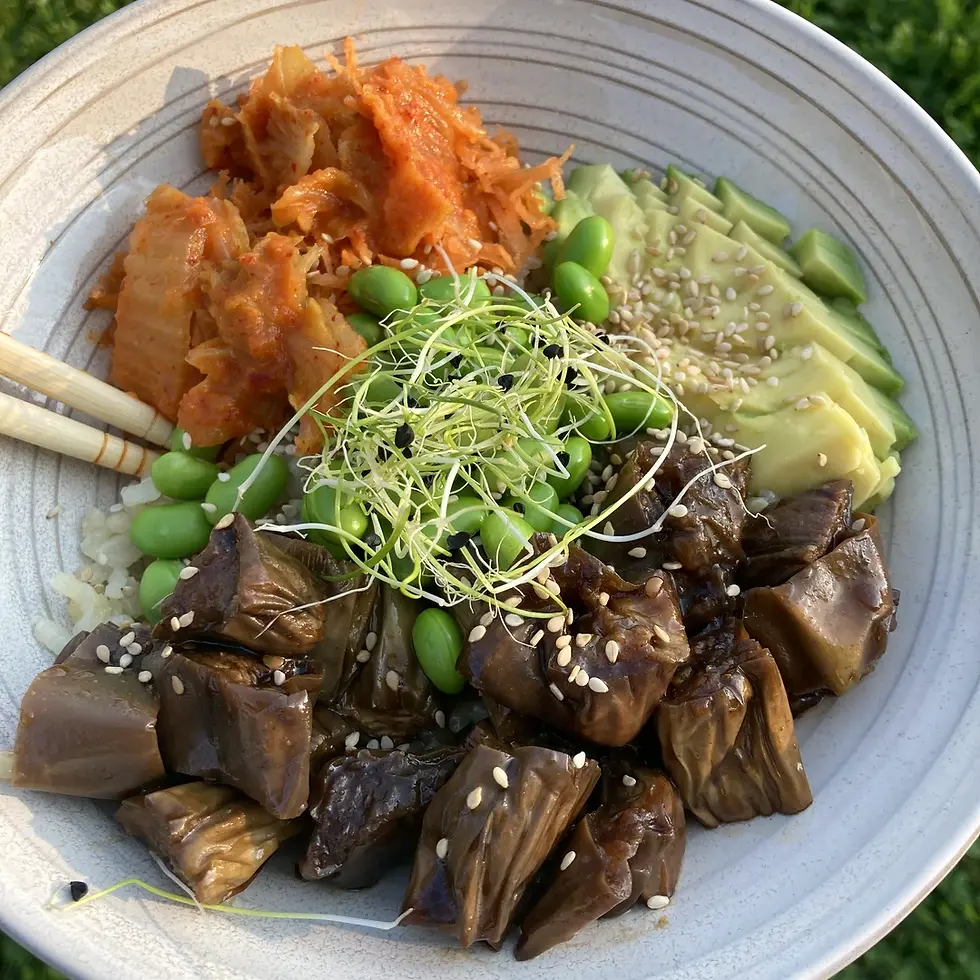
A forkful next to rice, scrambled tofu, an avocado toast. Raw, crunchy, alive. The simplest and the best way.
🍜
In a ramen or a bowl
Stirred in off the heat at the end, to keep the cultures. Kimchi-ramen is a Lutry kitchen classic.
🥪
In a grilled sandwich
Kimchi + melted vegan cheese = the ultimate grilled cheese. It is also gorgeous on top of a pizza or melted into a raclette.
2 yr
Storage.
Up to 2 years in the fridge (2 to 5 °C), and it gets better with age! The older it is, the tangier and more complex, perfect for cooking. Always refrigerated.

100% plant-based, always. Traditional kimchi often contains fish sauce or fermented shrimp (saeujeot). Ours never does, we build the depth with miso instead. No fish, no dairy, no egg.
Depends which one. Our seasonal vegetable kimchis are mild (★/5). The classic Spicy is ★★★/5, the Extra-spicy ★★★★★/5. For kids or sensitive palates, start with the seasonal flavours (spring onion, apple, pear), gentle and easy to love.
Often, yes. Fermentation is a kind of slow, cold cooking: the Ragis pre-digest the vegetables and break down much of what makes raw onion and garlic hard on the stomach. Plenty of people who react to them raw get on fine with our kimchi. Start with a small forkful and see how you feel.
Cabbage and roots are around all year, but we love to follow the seasons, radish in spring, celery in summer, parsnip in autumn. The two spicy savoy-cabbage recipes stay all year; everything else rotates every 3 months. Out-of-season flavours go "dormant" until their time comes round.
Same family, different league. Both are lacto-fermented, but sauerkraut is essentially just cabbage and salt, kept deliberately plain. Kimchi starts from that same living ferment and goes further: a whole seasoning paste of garlic, ginger, gochugaru and miso, plus a rotating cast of seasonal vegetables. The result is more complex, more aromatic, and carries a richer, livelier mix of bacteria (our Ragis have far more to feed on). If sauerkraut is the quiet cousin, kimchi is the one who brings the party.
Always in the fridge, where it keeps for up to two years (it just grows tangier with age). One small tip: after each use, wipe the rim of the glass jar clean and press the kimchi back down under its brine. That keeps it at its best and the lid sealing nicely.
Completely. That little hiss and the bubbles are CO₂ released by the living fermentation, a sure sign your kimchi is alive and well. If it has been sitting a while, open it slowly over the sink the first time.
Swiss law is strict: makers of fermented foods can't make health claims. But we did get our kimchi tested in a lab, so we can tell you it's raw, alive and full of living Lactobacillus and Leuconostoc, rich in fibre and very low in calories. There are plenty of studies around kimchi, too. One of the most recent, a 2026 study, suggests it may help the body expel micro and nanoplastics, and guess what? The bacterium they talk about, Leuconostoc mesenteroides, is one of the most abundant in our kimchi! What we'd like to say: our fridge has smelled like garlic since 2020 and we've never felt better. But that's not a promise. Just an observation. ✨
Yes! Rinse it out and bring it back to us at Lutry, or drop it at any of our partner shops (see our partners here). Reused, not binned.


