
Tofu vs Tempeh: What's the Real Difference?
Tofu vs tempeh: if you've ever stood in front of the fridge section wondering which one to pick, you're not alone. Both are classic plant-based proteins from Asia, and both are often made from soybeans, yet they couldn't be more different in taste, texture and the way they're made. Let's break it down so you can decide which one deserves a spot on your plate (spoiler: probably both).
What are tofu and tempeh?
Tofu: the smooth, versatile classic
Tofu comes from China and is made by curdling soy milk, a little like making fresh cheese. The curds are pressed into blocks of different firmness: silken, soft, firm and extra firm. Its taste is mild and neutral, which makes it a blank canvas for marinades, spices and sauces.

Tempeh: the fermented, nutty one
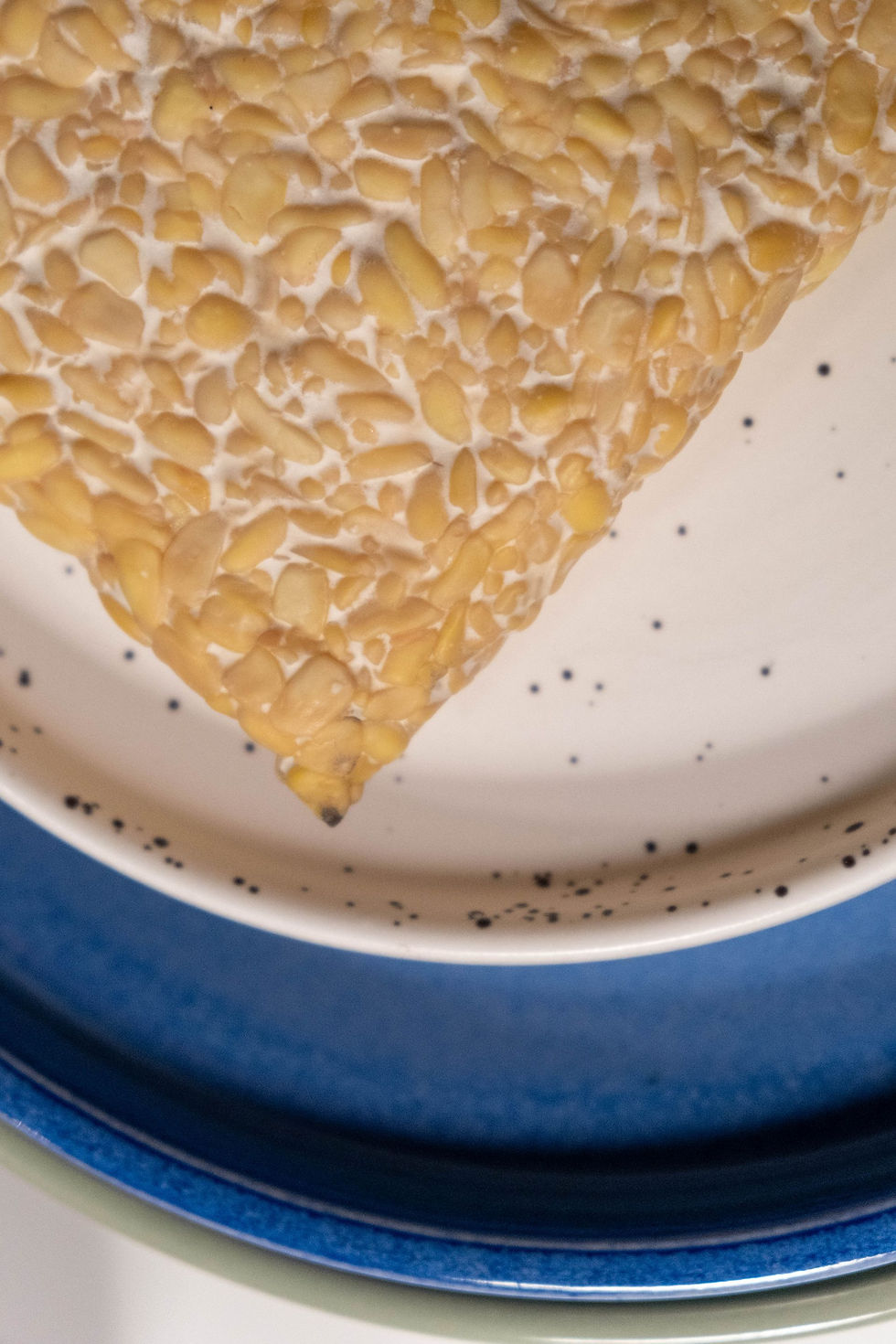
Tempeh comes from Java, Indonesia. It is made by fermenting whole cooked beans with a mould called Rhizopus. Over a day or two, the mould grows a fine white web that binds the beans into a firm, sliceable cake with a nutty, earthy, slightly mushroomy flavour.
Soy is the traditional choice, but practically any legume works. At Ragi, we make tempeh from chickpeas, soybeans, green peas, yellow peas and lentils. Want the full story? Read tempeh: everything you need to know.
Tofu vs tempeh at a glance
Feature | Tofu | Tempeh |
Origin | China | Java, Indonesia |
Base ingredient | Soy milk | Whole cooked beans (soy or other legumes) |
How it's made | Soy milk is curdled and pressed | Beans are fermented with Rhizopus mould |
Texture | Soft and smooth, from silken to extra firm | Firm, chewy, with visible whole beans |
Taste | Mild and neutral, takes on other flavours | Nutty, earthy, slightly mushroomy |
Protein | Around 8 to 15 g per 100 g, depending on firmness | Around 18 to 20 g per 100 g (soy tempeh) |
Fibre | Low | Higher, because the whole bean is used |
Fermented | No | Yes |
Best cooking methods | Stir-frying, baking, blending, scrambling | Pan-frying, grilling, crumbling, marinating, simmering |
Which one should you choose?
Pick tofu if you want…
A mild protein that soaks up marinades like a sponge
A soft texture for soups, scrambles, desserts and creamy dressings
Something to blend into sauces or smoothies
Pick tempeh if you want…
A higher-protein, higher-fibre option made from whole beans
A fermented food with a deeper, nuttier flavour
A firm, satisfying bite that holds its shape in stir-fries, sandwiches and on the grill
The fermentation factor
The biggest difference between the two is fermentation. Tempeh is a fermented food: the Rhizopus mould partly breaks down the beans, which shapes tempeh's flavour and firm texture. Tofu is not fermented (except for specialities like fermented tofu).
Many supermarket tempehs are pasteurised to extend their shelf life, which can make them a bit bitter and firm. Ragi's tempeh is sold fresh and unpasteurised, so it has a milder taste and a softer bite. Research on fermented foods is ongoing, and we find it fascinating, but mostly we love tempeh because it tastes great.
Tofu has its own strengths: it is a good source of plant protein, and calcium-set tofu also contains calcium.
How to cook tofu and tempeh
How to cook tofu
Press it (for firm or extra-firm tofu) to remove excess water.
Marinate it. Its mild flavour soaks up sauces beautifully.
Cook it your way: pan-fry, bake, grill, scramble or blend into creamy dressings.
How to cook tempeh
Steam it first if it's pasteurised. About 10 minutes removes any bitterness and helps it absorb marinades. Fresh, unpasteurised tempeh like ours can skip this step.
Season it well. Soy sauce, garlic, ginger, smoked paprika and maple syrup all work wonders.
Slice, cube or crumble it for tacos, stir-fries, sandwiches and bowls. Try our kimchi fried rice with smoky tempeh to start.
So, tofu or tempeh?
Honestly? Both. Tofu brings softness and versatility, tempeh brings bite, a nutty flavour and the character that only fermentation gives. Why not keep both in your kitchen and switch depending on the dish?
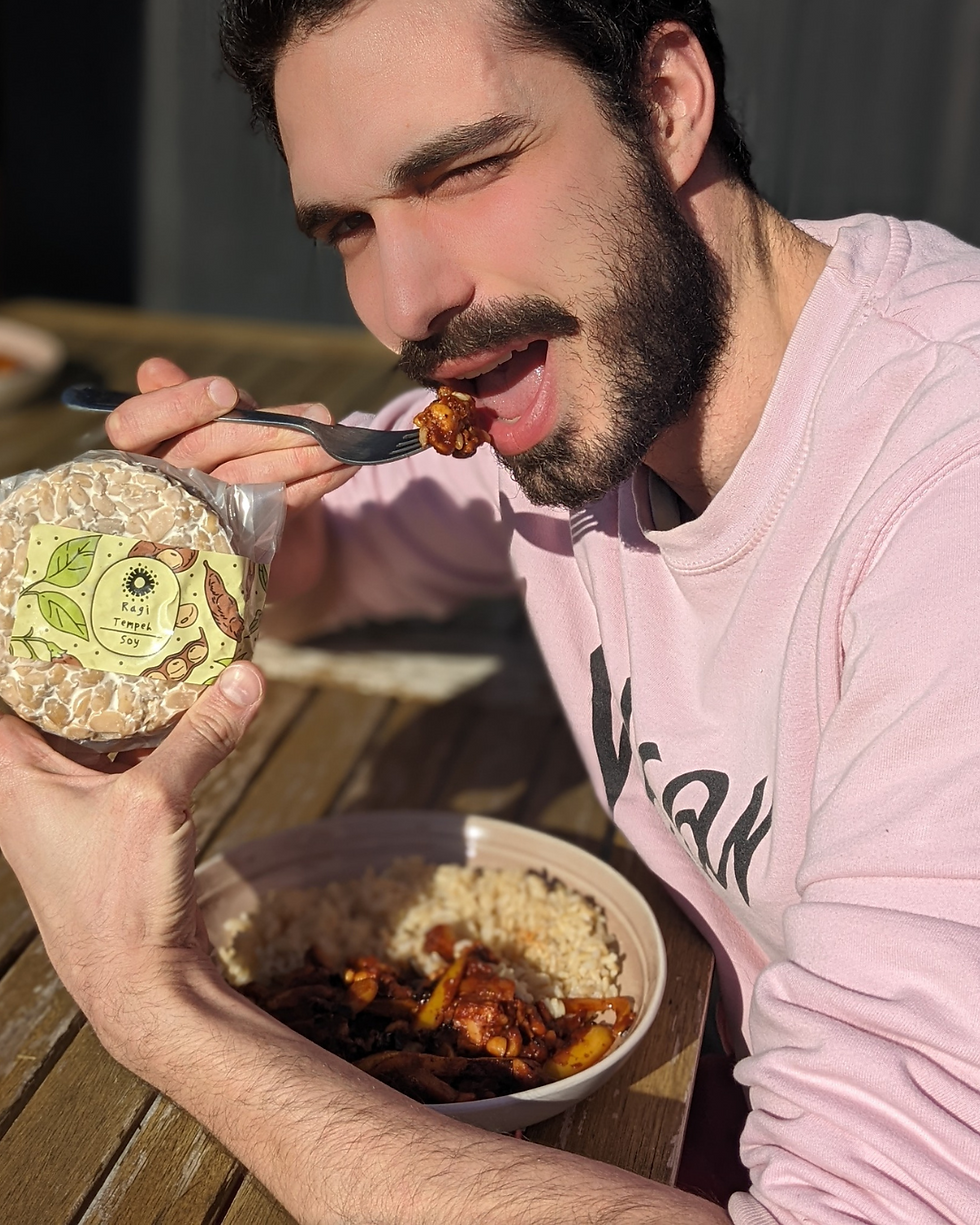
If you'd like to try fresh, unpasteurised tempeh made in Lutry from Swiss organic legumes, have a look at our chickpea tempeh and the rest of our shop. Keep it in the fridge and eat it within 10 days, or freeze it for up to a year.

Comments