
10 Fascinating Facts About Tempeh You Probably Didn't Know
Tempeh has travelled a long way from the kitchens of Java to fridges across Switzerland. Whether you already love it or are just getting curious, here are 10 fascinating facts about tempeh: its history, how it's made, the role of fermentation and some surprising ways to cook it.
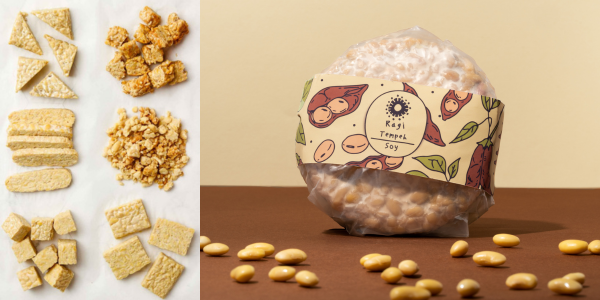
10 facts about tempeh
1. It comes from Java, Indonesia
Tempeh was born on the island of Java, and written mentions of it go back several centuries. It is still an everyday food in Indonesia, where you'll find it in markets, street stalls and family kitchens.
2. It's a staple of Indonesian cuisine
Indonesians cook tempeh in countless ways: tempeh goreng (fried tempeh), tempeh bacem (braised in palm sugar and spices) or sambal goreng tempeh (stir-fried in a spicy sauce). We've collected our favourites in 9 authentic Indonesian tempeh dishes.
3. A mould does all the work
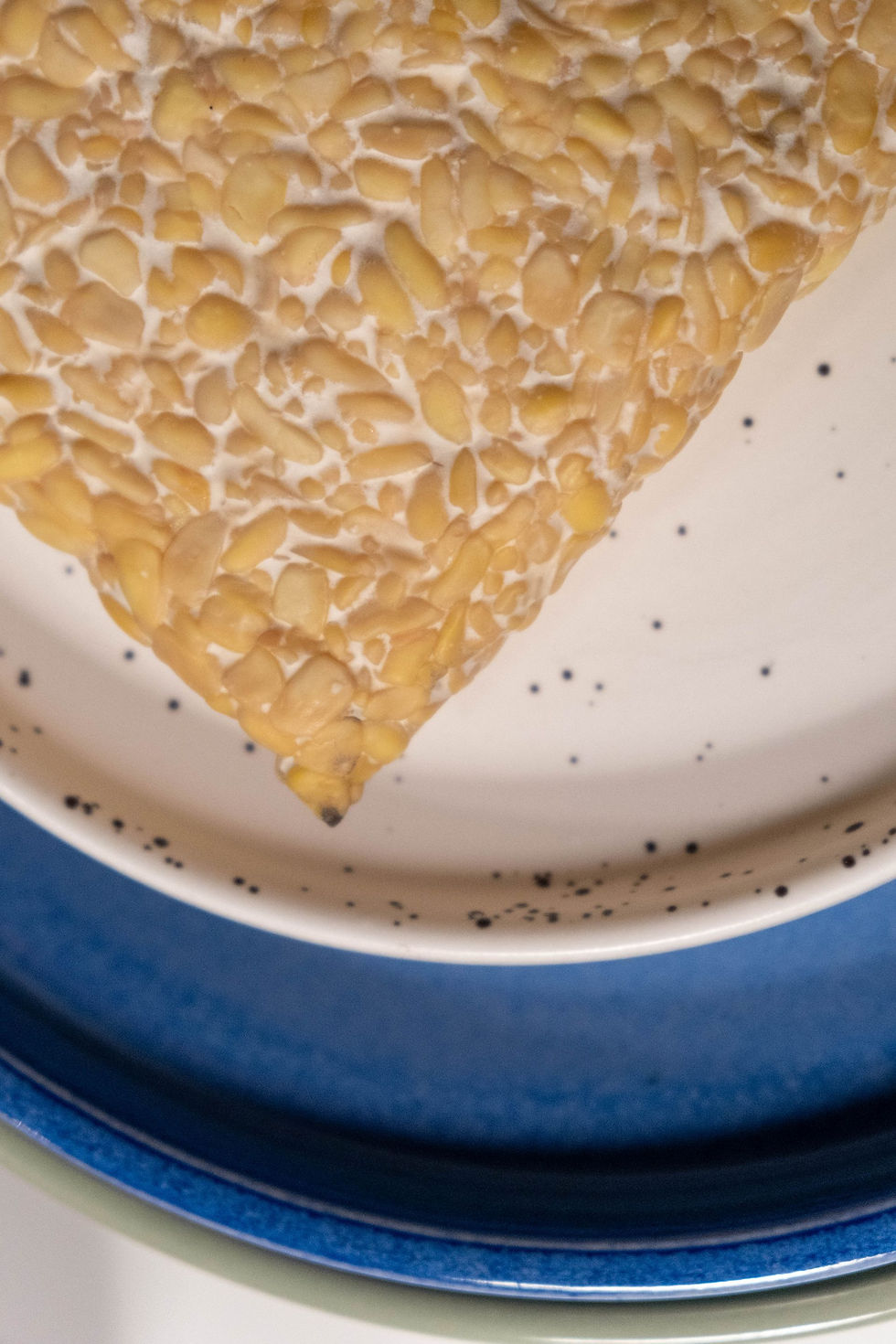
Tempeh is made with a mould called Rhizopus (usually Rhizopus oligosporus or Rhizopus oryzae). It grows a dense white web of filaments, called mycelium, around the cooked beans and binds them into a solid cake. It's the same family of organisms as mushrooms, which explains a lot about tempeh's flavour.
4. It's fast
Unlike kimchi or miso, which take weeks or months, tempeh ferments in just 24 to 48 hours. It needs warmth, around 30°C, and a little air for the mould to grow.
5. It's not only made with soy
Soy is the classic, but practically any legume works. At Ragi, we make tempeh from chickpeas, soybeans, green peas, yellow peas and lentils. Some makers also add grains such as rice, millet or barley for different textures.
6. Fermentation changes the beans
During fermentation, the mould partly breaks down the proteins and carbohydrates in the beans. This is what gives tempeh its firm, sliceable texture and its mild, nutty flavour, quite different from a plate of plain cooked beans.
7. It has a distinctive aroma
Fresh tempeh smells earthy, nutty and slightly mushroomy. As it matures, the aroma gets stronger, and some people compare it to a fine cheese rind.
8. Black spots are normal
Grey or black spots on tempeh are spores, a natural stage in the mould's life cycle, a bit like the dark gills under a mushroom. They mean the tempeh is mature and full of flavour, not that it has gone off.
9. It's a protein-rich, whole-bean food
Because the whole bean is used, tempeh is a good source of plant protein and fibre. Soy tempeh contains around 18 to 20 g of protein per 100 g, and, like soy itself, it provides all nine essential amino acids.
10. It's a low-impact protein
Legumes generally need far less land, water and energy than animal protein, and they enrich the soil with nitrogen as they grow. Making tempeh from local legumes, like the Swiss organic peas and chickpeas we use, keeps its footprint small.
Fresh tempeh from Lutry
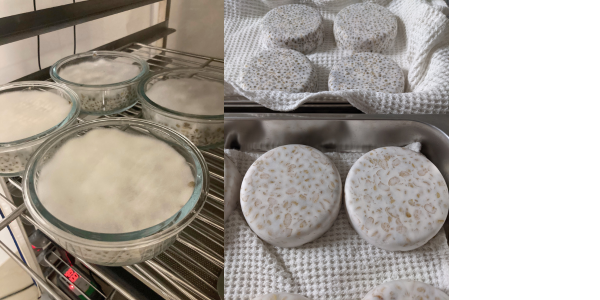
At Ragi, taste, quality and sustainability go hand in hand. We make our tempeh fresh every week in Lutry from organic legumes, Swiss whenever possible, and never pasteurise it. Keep it in the fridge and eat it within 10 days, or freeze it for up to a year. It's delivered to your door anywhere in Switzerland.
Try our chickpea tempeh or our beluga lentil tempeh, and if you're not sure what to cook first, our tempeh cooking guide has plenty of ideas.

Comments