
_edited.png)
In your words
What you think of our Tibicos
★★★★★ straight from our inbox


batch
014
03.05
Year-round
0 flavours
This season
2 flavours
Across the year
8 flavours

Where it comes from · ~170 years ago
From 19th-century
Mexico,
to our kitchen
Water kefir grains are said to have been discovered in Mexico in the 19th century, on the fermenting pads of the prickly pear cactus (Opuntia). The word "tibicos" comes from Nahuatl. Elsewhere they're called tibi, water kefir, or Japanese crystals, it's exactly the same thing.
We simply fell in love with the drink, and back then, almost no one was making it in Switzerland. So we decided to make it ourselves. Our grains have lived in our Lutry kitchen ever since, multiplying week after week.
How it tastes. Light and gently sparkling, softly tart and mineral, with just a hint of sweetness from the season's fruit. A little like a delicate sparkling wine. We only use real ingredients, so the colour in every bottle comes from the fruit or flower itself, nothing added.
~170
years of known history (approx.)
~5
days of fermentation
99%
Swiss ingredients
Alive
organic · unpasteurised · living cultures
How it's made · in our kitchen
15 days, 4 steps,
1 kitchen.

at Sara & David's
01
The sugar water
We dissolve organic beet sugar from Thurgau into filtered water. Sometimes we add a dried apricot or a slice of organic lemon, it brings the minerals the grains love.
Day 1
02
The grains
We add the water kefir grains: tibicos, a culture of living bacteria and yeast (we call them the Ragis), different from milk kefir. Then we cover it with a cloth and wait.
Day 1

03
First fermentation.
~5 days at 22 °C. The Ragis, the bacteria and yeasts, feed on the sugar, turning it into gentle acids, light fizz and flavour. We taste regularly to follow how it develops.
Days 2 → 6

04
Fruit, flower & bubble room.
We add the seasonal fruit or flower and let it ferment 1 to 2 more days. Then we bottle it and move the bottles into our bubble room: that's where the natural carbonation builds.
Days 7 → 15






Autumn
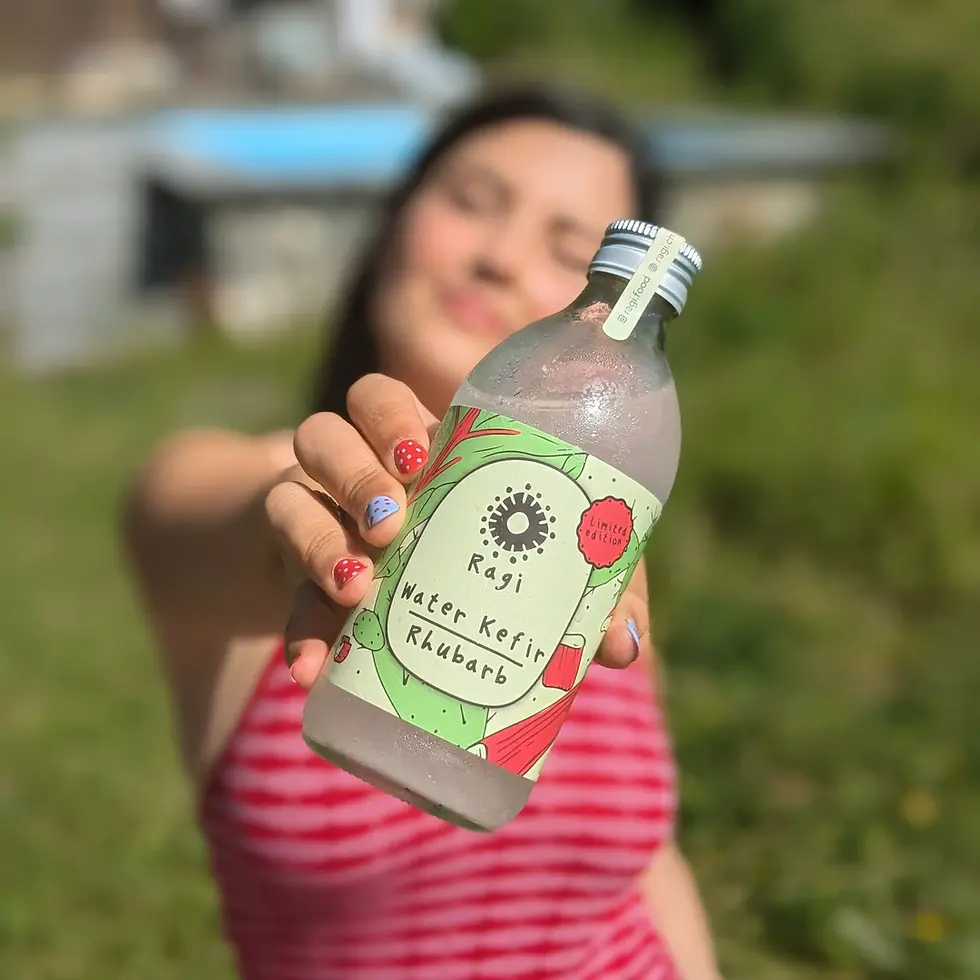
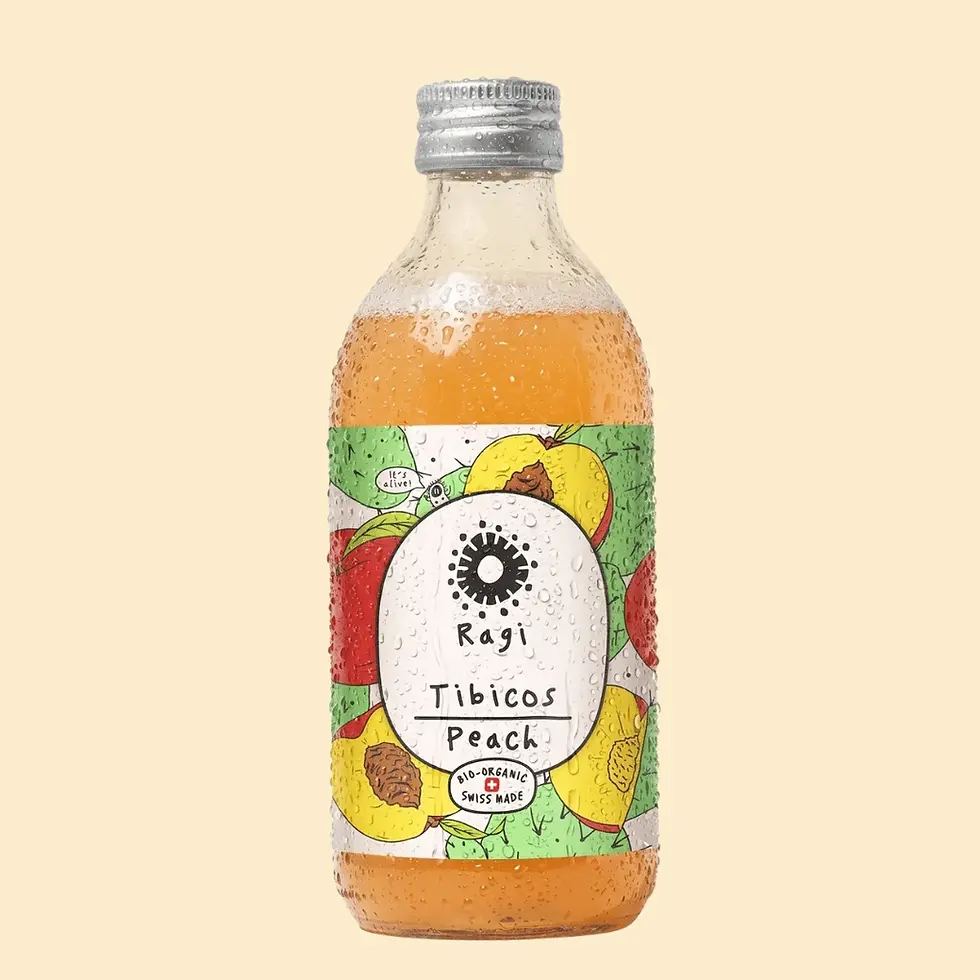
Deep flavours from October to December. Plum, beetroot and ginger. The tibicos that warms you up from the inside.




How to drink it
Cold and sparkling
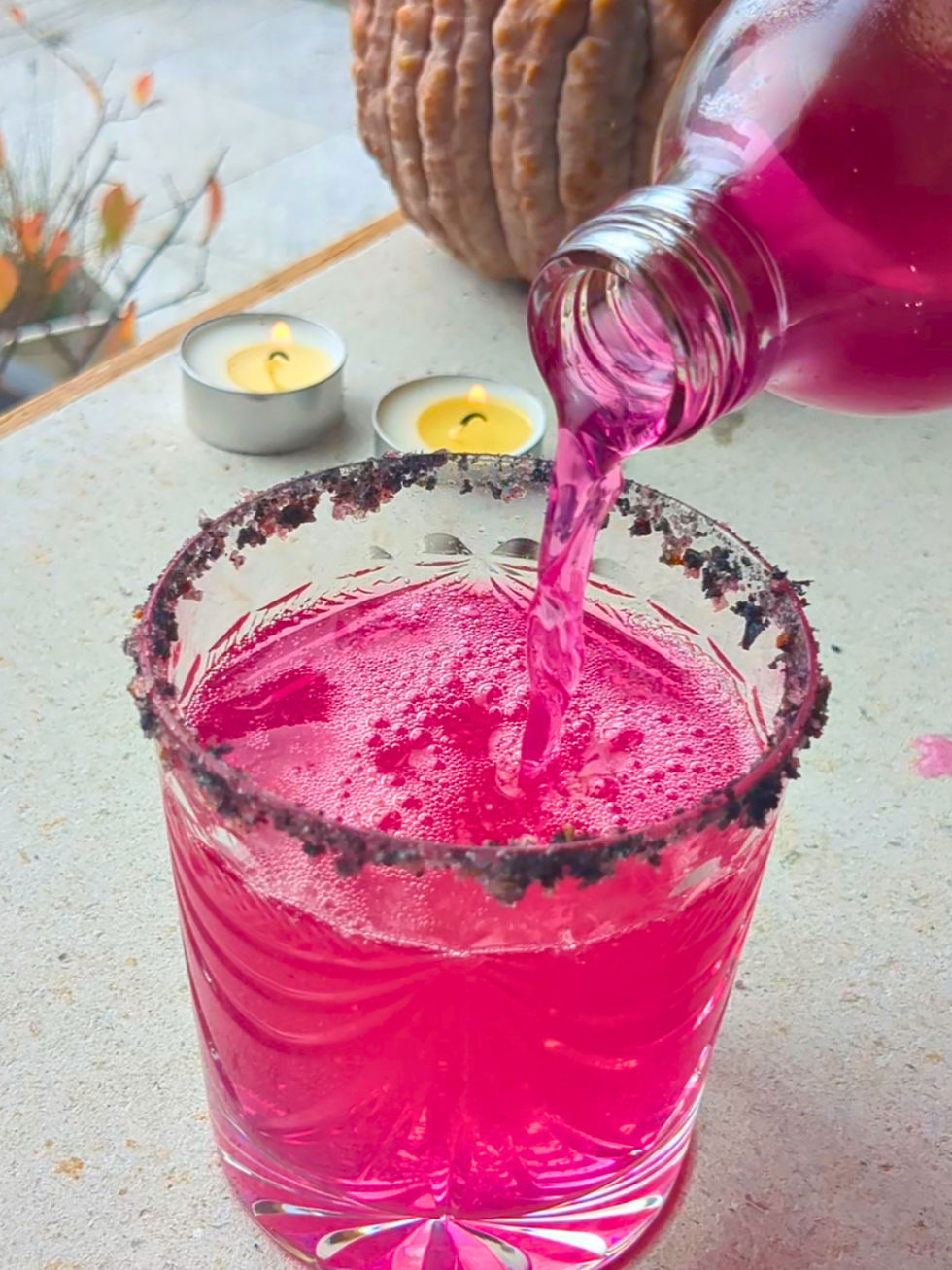
Tibicos is a living drink, best enjoyed straight from the fridge. Gentle and easy-drinking, perfect at the table or for an aperitif.

2–5°
Ice-cold, your favourite glass
Take it from the fridge (2 to 5 °C), don't shake it, open it slowly (it foams), drink it cold. Temperature makes all the difference to the fizz.
+
Aperitif or meal.
Brunch, lunch, dinner — anywhere you'd have a glass of light wine. Original with cheese, fruity with dessert.
🍸
Summer mocktail
Tibicos over ice with thin ribbons of cucumber, a sprig of mint and a twist of lime. Crisp, fragrant, ready in a minute.
1 yr
Storage.
Up to 1 year in the fridge (2 to 4 °C) unopened. Once opened: 5 days, always refrigerated. The taste deepens over time, the cultures keep working gently.

Because fruit only tastes good in season — there are no strawberries in November, and apples have no flavour in July. We'd rather do less, better, and with what's ripe at the right time. That's also why some flavours go "dormant" for part of the year — we're simply waiting for the good fruit.
Between 0.5% and 1.2% vol. depending on the batch and how long it ferments — like well-risen bread, a ripe banana or a forgotten fruit juice. Officially classed as an "alcoholic drink < 1.2%" in Switzerland.
As a precaution, we advise avoiding living kombucha during pregnancy and breastfeeding (because of the unpasteurised bacteria). Ask your midwife.
Between 2.5 and 4 g per 100 ml — far less than a regular soda. Most of the starting sugar is eaten during fermentation. What's left just gives the fizz.
If you're new to it, start slow — a small glass (about 100 ml) a day for a few days, while your body gets used to the living cultures. After that, most people happily drink a bottle (33 cl) a day. Listen to your body, and drink it nice and cold.
We're not allowed to answer. Swiss law forbids makers of fermented drinks from making health claims without a validated scientific dossier (and we don't have the budget of the probiotic labs). What we CAN say, factually: it's full of living cultures, it's far less sugary than a soda, it's gluten- and lactose-free. What we'd like to say: since we started drinking it, we sleep better, we digest like champions, and we haven't caught a cold since 2020. But that's not a promise. Just an observation. ✨
Kombucha is fermented with tea and a SCOBY; tibicos with sugar water and kefir grains. Since there's no tea, tibicos contains no theine. The flavour is a little milder, a bit like a sparkling wine. Naturally gluten-free, and a good choice for anyone who finds kombucha too strong.
Milk kefir is made with milk and its own grains, so it's creamy, tangy and dairy-based, more like a drinking yoghurt. Tibicos (water kefir) uses sugar water and different grains, so it's completely dairy- and lactose-free, light and sparkling, closer to a soft soda than a yoghurt drink.


